
Compare Maasai Mara and Serengeti safaris, Great Migration timing, wildlife viewing, accommodation, transfer choices and choosing between Kenya and Tanzania.
Introduction
Kenya’s Maasai Mara and Tanzania’s Serengeti are among Africa’s best-known wildlife landscapes. Both form part of the greater Serengeti–Mara ecosystem, supporting migrating herbivores, resident big cats and many other species. For a first safari, the hardest question is often not whether to go, but which side of the ecosystem to explore.
Both destinations reward time in the field. The right choice depends on your available days, travel dates, accommodation preferences, wildlife interests and how much movement you want between parks.
What is different about the Maasai Mara?
The Maasai Mara is popular for its relatively compact wildlife-viewing circuits, dramatic grasslands and opportunities to observe predators. Many travellers begin in Nairobi, continuing by road or scheduled light-aircraft service depending on budget and the lodge location.
A Kenya safari can combine the Mara with Lake Nakuru, Amboseli or other reserves. These additions provide new habitats, from lakes and woodland to open plains beneath views of Kilimanjaro when the weather permits.
What is different about the Serengeti?
The Serengeti is a much larger landscape, with varied areas that can suit different travel months. The central Serengeti is known for year-round wildlife viewing, while the northern and southern regions become especially relevant at different stages of the Great Migration.
Tanzania itineraries often combine the Serengeti with Ngorongoro Crater and Tarangire National Park. Adding these regions requires more road time or strategic flights, but produces a wider variety of game-viewing environments over a longer safari.
Understanding the Great Migration
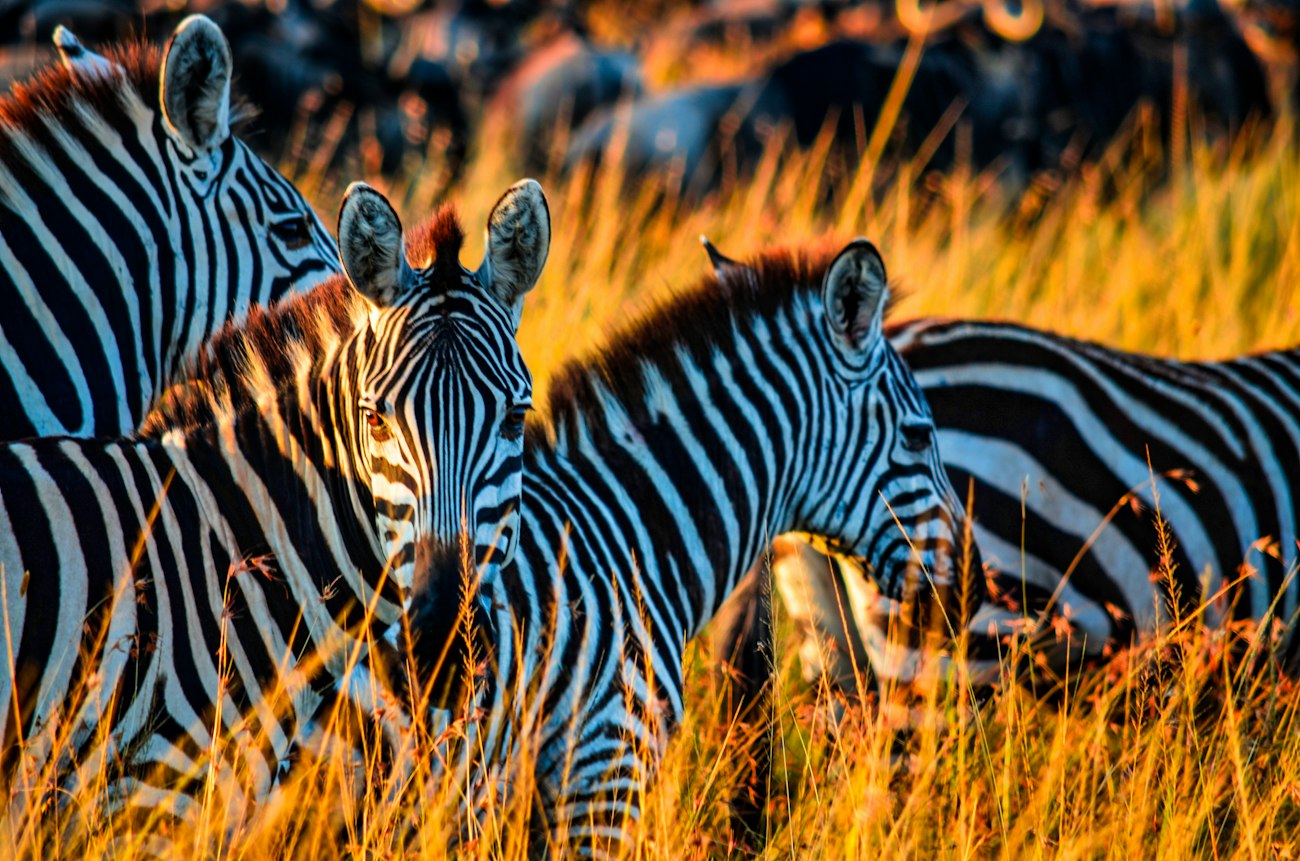
The Great Migration is a moving ecosystem rather than an event on a fixed date. Wildebeest, zebras and other grazers respond to rainfall and fresh grazing. The animals may be spread across the Serengeti and the Maasai Mara at different points in the year.
River crossings can be dramatic, but nobody can guarantee that a crossing will happen during a particular morning or a specific safari. The best planning approach is to choose a suitable geographic area for the season and allow enough days to explore without rushing.
When is the best time to see migration activity?
Northern Serengeti and the Maasai Mara are often associated with migration activity around the middle and later part of the year, commonly July to October, depending on rainfall. The southern Serengeti and nearby Ndutu region are often important during the calving period in the early part of the year.
These are typical seasonal patterns, not fixed animal appointments. Ask your safari planner where the herds have been moving recently and whether your accommodation provides access to the areas that are most relevant for your chosen month.
Which is better for a short safari?
For a three- or four-day trip starting in Nairobi, the Maasai Mara can be a straightforward choice, especially if you use a flight to reduce time on the road. A focused safari often offers better wildlife time than trying to squeeze too many parks into a few nights.
A shorter Tanzania safari is also possible, but the right routing matters. Travellers starting near Arusha may prefer Tarangire and Ngorongoro, while those with more time can include the Serengeti. The number of hours actually spent on game drives is more important than the number of park names on a programme.
Which destination suits families?
Families may value shorter transfers, lodges with swimming pools, flexible mealtimes and a vehicle dedicated to their group. Private safaris in either country can be adjusted to give children time to rest between drives.
Before confirming, check minimum ages for any activities, accommodation room arrangements and the driving distances between overnight stops. Some conservancy activities have different rules from national park activities, and these should be checked with the operator.
Accommodation choices and safari comfort
Both destinations offer comfortable mid-range properties and high-end camps. A lodge’s location can be more important than how luxurious its photographs look. A beautiful camp far from the wildlife area you want to explore may use valuable hours in transit.
Ask whether park or conservancy fees are included, if vehicles are shared or private, and how much time the guide can spend following wildlife. If you are considering a migration itinerary, base yourself in a region suited to your travel dates.
How to combine Kenya and Tanzania
A combined Kenya–Tanzania safari can be rewarding when you have sufficient time and are comfortable with transfers, borders and flight arrangements. Rather than visiting only the Mara and Serengeti in a rush, consider a route that allows enough nights in each ecosystem.
Travellers who want to focus on one country can explore our 5-Day Lake Nakuru and Masai Mara Safari, 7-Day Kenya Classic Big Five Safari, or 7-Day Tarangire, Serengeti and Ngorongoro Safari.
Our recommendation
Choose the Maasai Mara if you want a focused Kenya safari with classic big-cat viewing and relatively simple access from Nairobi. Choose the Serengeti if you want a longer Tanzania journey with room to explore different wildlife regions, especially when paired with Ngorongoro or Tarangire.
For official park rules and responsible wildlife viewing, see Tanzania National Parks. Tell us whether you prefer Kenya, Tanzania or both and your intended travel dates on the Ngweta safari enquiry page.
Travel requirements, fees, park operations and accommodation availability may change. Check current details before confirming your journey.