
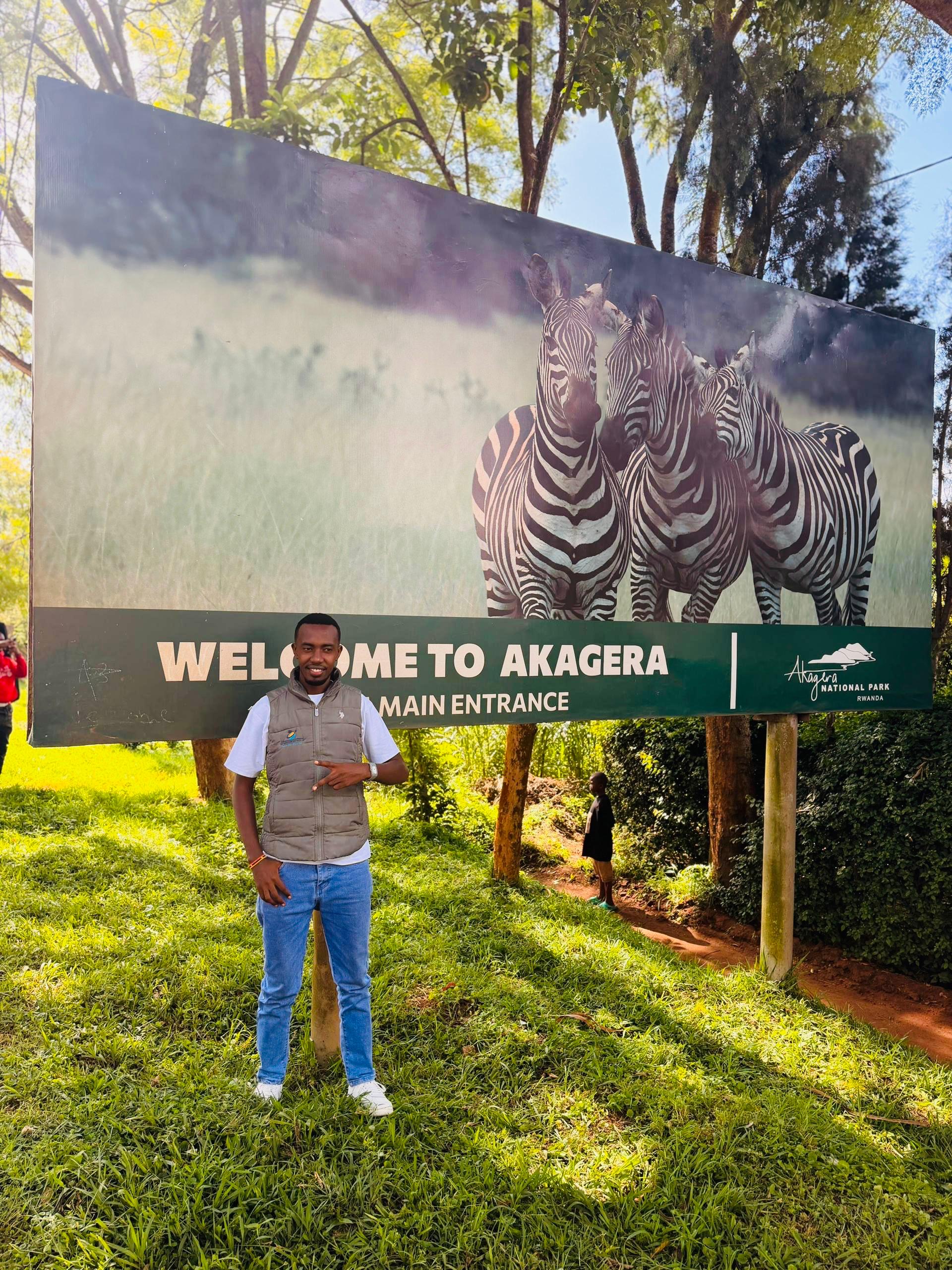
Is Akagera National Park Worth It? A Complete Rwanda Safari Guide
Yes, Akagera National Park is worth visiting if you want to experience Rwanda’s savannah wildlife, search for the Big Five, enjoy a boat safari, and explore one of East Africa’s most remarkable conservation success stories. Located in eastern Rwanda, approximately two hours by road from Kigali, Akagera offers a completely different landscape from the country’s famous mountain gorilla forests.
The park combines open grasslands, acacia woodlands, lakes, and extensive wetlands. Visitors can look for lions, elephants, leopards, rhinos, and buffalo while enjoying scenic game drives and birdwatching. However, whether Akagera is worth the cost depends on your expectations, available time, budget, and the type of safari experience you want.
This guide explains what makes Akagera National Park special, what you can see, how much a visit costs in 2026, and how many days you should spend there.

Why Is Akagera National Park Worth Visiting?
Akagera is Rwanda’s principal savannah safari destination. Unlike Volcanoes National Park, which is famous for mountain gorilla trekking, or Nyungwe Forest National Park, which is known for rainforest primates, Akagera offers a traditional African wildlife safari.
There are several reasons to include it in your itinerary.
1. You Can See the Big Five
Akagera is home to all five animals traditionally known as the African Big Five: lions, leopards, elephants, rhinos, and buffalo. The park’s conservation programme has helped restore wildlife populations following decades of decline. Lions were reintroduced in 2015, eastern black rhinos in 2017 and 2019, and southern white rhinos in 2021. An additional 70 southern white rhinos arrived in June 2025, strengthening the park’s conservation efforts. African Parks provides further information about these initiatives.
Although all five species inhabit the park, seeing every one during a single game drive is not guaranteed. Leopards are particularly elusive, while rhino sightings depend on their location and movement. If seeing the Big Five is your main objective, consider spending at least two days exploring different sections of the park.
2. The Scenery Is Beautiful and Diverse
Akagera offers a landscape that differs considerably from Rwanda’s mountainous western regions. The park features rolling hills, open savannah, woodland, papyrus swamps, and lakes connected to the Akagera River system. These habitats support different animal and bird species, making the journey through the park rewarding even between wildlife sightings. The lakes are particularly attractive for photography, while the open plains provide opportunities to observe grazing animals against a wide African sky.
3. It Is Easy to Reach from Kigali
One of Akagera’s greatest advantages is its proximity to Rwanda’s capital. The drive from Kigali to the park generally takes around two hours, although the exact duration depends on your starting point, traffic, and which entrance you use. This makes Akagera suitable for travelers with limited time. You can visit on a long day trip, spend a night inside or near the park, or incorporate it into a longer Rwanda safari. For travelers arriving in Kigali for gorilla trekking, Akagera can provide an excellent contrast to the forest-based experience in Volcanoes National Park.
What Animals Can You See in Akagera National Park?
Wildlife viewing is one of the main reasons visitors consider Akagera worth the journey.Common sightings include zebras, giraffes, impalas, topis, waterbucks, and buffalo. Elephants can be encountered in different habitats, while lions and rhinos are among the park’s major attractions.
Leopards are present but may be difficult to spot because they are elusive and often remain concealed in vegetation. The lakes and wetlands support hippos and large Nile crocodiles. These animals can often be observed during a boat excursion on Lake Ihema.
Akagera is also an excellent destination for birdwatching, with nearly 500 recorded bird species. Depending on the habitat and season, birders may encounter African fish eagles, kingfishers, herons, papyrus specialists, and migratory birds. It is important to remember that wildlife is free-ranging. Sightings vary according to weather, season, time of day, and animal movements. A knowledgeable guide can help you locate wildlife and interpret animal behavior.
What Activities Make Akagera Worth Visiting?
Akagera offers more than conventional game drives. Combining several activities can make your visit more rewarding.
Game Drives
Game drives are the main activity in Akagera National Park. You can explore the park in your own permitted vehicle or arrange a guided drive. Early mornings and late afternoons are often productive times for wildlife viewing because temperatures are cooler and many animals are more active. A guided drive can be particularly useful for first-time visitors, as experienced guides understand the terrain, wildlife behavior, and areas where sightings may be more likely.
Boat Safari on Lake Ihema
A boat safari offers a different perspective on Akagera’s wildlife. Lake Ihema is known for hippos, crocodiles, and a variety of waterbirds. Boat excursions allow you to observe the aquatic ecosystem without spending the entire day driving. They are also a good choice for photographers and travelers who enjoy relaxed wildlife experiences. Scheduled excursions are offered at several times during the day, subject to the park’s current operating arrangements.
Birdwatching
With nearly 500 recorded bird species, Akagera is an attractive destination for both experienced birders and casual nature enthusiasts. The park’s combination of wetlands, lakes, woodland, and grassland supports a wide range of birds. The wetter months can be especially rewarding for birdwatching because of increased vegetation and the presence of migratory species.
Night Game Drives
Night drives offer opportunities to search for nocturnal animals that are rarely seen during the day. These may include hyenas, genets, bush babies, and other nocturnal species. Night drives are generally available to overnight visitors through designated guided activities. Check availability when booking your accommodation.
How Much Does Akagera National Park Cost?
The cost of visiting Akagera depends on your residency category, length of stay, accommodation, transport, and optional activities. The entry and self-drive fee should not be confused with the total safari price. Accommodation, meals, transport from Kigali, guided activities, boat excursions, and other extras may incur additional charges. For example, a traveler who arranges a private vehicle, an overnight lodge stay, and a guided game drive will generally spend more than someone using their own vehicle and choosing basic accommodation. To determine whether Akagera fits your budget, compare the complete cost of your preferred itinerary rather than looking at the entrance fee alone.
Is One Day Enough for Akagera National Park?
One day can be worthwhile if you have limited time in Rwanda. However, it is a long day and offers less flexibility than an overnight safari.
A Day Trip from Kigali
A day trip typically involves an early departure from Kigali, a morning game drive, time for lunch, and further wildlife viewing before returning to the city. This option is suitable for travelers who want to experience the park without changing hotels. Nevertheless, the driving time reduces the hours available for wildlife viewing.
A Two-Day Safari
A two-day safari is a better option for travelers who want a more complete experience. You can spend the first day exploring the southern section of the park and enjoy a boat excursion or another activity. On the second day, you can continue exploring before returning to Kigali. Staying overnight also gives you access to selected activities, such as guided night drives, subject to availability.
A Three-Day Safari
Three days are ideal for travelers who want to explore the park at a more relaxed pace, cover more ground, and spend additional time watching wildlife. This option is particularly suitable for wildlife photographers, birdwatchers, and visitors hoping to improve their chances of seeing a variety of animals.
What Is the Best Time to Visit Akagera National Park?
Akagera can be visited throughout the year, but the experience changes with the seasons.
June to September is generally a good period for conventional game viewing. Drier conditions can make wildlife easier to locate around remaining water sources, although vegetation may be dusty and less green.
December to February is another relatively dry period that can provide favorable conditions for game drives.
March to May is generally wetter. The landscape becomes lush and attractive for photography, but some tracks may become difficult to navigate after heavy rain.
October to November brings another rainy period, which can be particularly rewarding for birdwatching.
The best time ultimately depends on your priorities. If wildlife viewing is your main goal, consider the drier months. If you prefer green scenery and birdwatching, the wetter periods may also be appealing.
Where Should You Stay During an Akagera Safari?
Your choice of accommodation can influence how much you enjoy the park.
Budget travelers can consider designated campsites, subject to availability and current facilities. Midrange visitors may prefer comfortable lodges or tented accommodation, while luxury travelers can choose higher-end safari properties. Staying inside the park or at a suitable property close to the entrance reduces the need for repeated long drives from Kigali.
It can also make early-morning game drives easier to arrange and allow more time for activities. Before booking, check the property’s location, meal arrangements, transport requirements, and whether game drives or other activities are included in the price.
Is Akagera Better Than Other Rwanda National Parks?
Akagera is not necessarily better than Rwanda’s other national parks. It offers a different experience.
Choose Akagera if you want savannah wildlife, Big Five viewing opportunities, boat safaris, and birdwatching. Choose Volcanoes National Park if your main objective is mountain gorilla trekking or golden monkey tracking.
Go for Nyungwe Forest National Park if you are interested in chimpanzee trekking, forest walks, and other rainforest wildlife experiences. If your budget and schedule allow, combining Akagera with another national park can provide a more diverse Rwanda safari. For example, an itinerary that includes Akagera and Volcanoes National Park combines savannah wildlife with mountain gorilla trekking.
So, Is Akagera National Park Worth It?
Yes, Akagera National Park is worth visiting, especially if you want to experience Rwanda beyond its famous mountain gorillas.
Its Big Five wildlife, scenic lakes, boat safaris, birdlife, and conservation achievements make it an appealing destination for couples, families, photographers, and wildlife enthusiasts. Its location roughly two hours from Kigali also makes it one of the country’s most convenient parks to visit.
However, travelers expecting guaranteed sightings of every Big Five animal or wildlife densities comparable to the most famous savannah parks in Kenya and Tanzania should keep their expectations realistic. For the best experience, allow two or three days if possible, arrange suitable transport, and consider combining game drives with a boat excursion on Lake Ihema.
Ultimately, Akagera is most rewarding when you appreciate both the wildlife and the landscape, rather than measuring the entire experience by how many animals you see. It is a valuable addition to a Rwanda itinerary and a compelling example of how long-term conservation can restore a country’s natural heritage.