Compare Uganda and Rwanda gorilla trekking, from forest experiences and travel routes to permits, accommodation and choosing the right safari for your trip.
Introduction
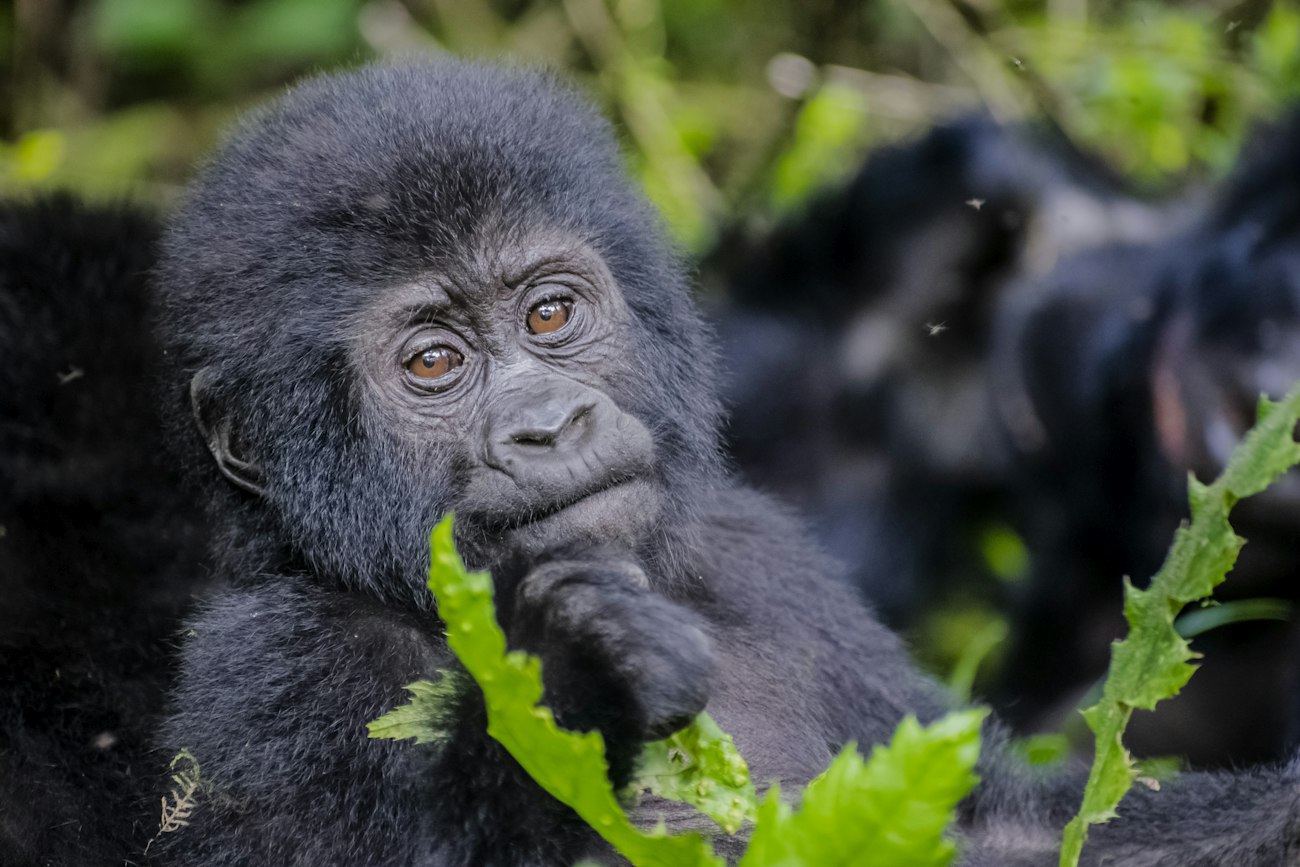
Mountain gorilla trekking is one of Africa’s most memorable wildlife experiences. Uganda and Rwanda both offer guided encounters with habituated mountain gorillas in their natural habitat. Although the experience is special in either country, the way you reach the forest, the scenery, overall trip length and budget can be quite different.
This guide compares the practical choices so that you can plan around your interests rather than simply choosing the destination with the shortest itinerary. Permits are limited and all trekking arrangements depend on official confirmation.
Where can you trek mountain gorillas?
In Uganda, gorilla trekking takes place in Bwindi Impenetrable National Park and Mgahinga Gorilla National Park. Bwindi is a vast mountainous rainforest with several trekking sectors. The sector allocated to your permit matters because the trailhead, accommodation options and driving route can differ substantially.
In Rwanda, trekking takes place in Volcanoes National Park, reached from the Musanze area. The volcanic backdrop, bamboo forest and surrounding scenery make Rwanda attractive for travellers who want to combine a gorilla encounter with a shorter visit to Kigali.
Travel time and getting to the forest
Rwanda is often the more straightforward choice for a short trip starting in Kigali. A typical three-day safari allows time to drive from Kigali to the Musanze area, complete the trek on the following day and return to Kigali. Exact driving time depends on road conditions and your accommodation.
Uganda gives travellers more possibilities for extended primate and wildlife itineraries. Bwindi can be reached by road from Entebbe or by suitable domestic flights and road transfers. Starting from Kigali can also be practical for parts of southwestern Uganda, subject to border requirements, permit locations and current entry rules.
Gorilla permit arrangements and costs
You must secure a valid gorilla trekking permit for the correct park and date before treating your plans as confirmed. Uganda’s permits are administered through the Uganda Wildlife Authority, while Rwanda’s are managed by the Rwanda Development Board. Permit prices depend on nationality or residency category and can change.
Rwanda’s standard foreign visitor gorilla permit is listed at US$1,500 on the official RDB booking portal. Uganda’s categories and current tariffs should be checked directly with the relevant authorities before a quotation is finalized. A permit is only one part of the total holiday cost; include accommodation, transport, guides and any border logistics.
What is the trekking experience like?
Both countries use trained park guides and established wildlife protection procedures. Each morning begins with a briefing, followed by a trek through forest terrain to find the assigned gorilla group. The time needed to locate the gorillas varies and cannot be promised in advance.
Trails may be steep, slippery and uneven even when the weather is pleasant. Sturdy footwear, a light rain jacket, water and suitable clothing are valuable in either destination. A porter can be helpful where available, particularly on longer or more demanding walks.
Which country is best for photographers?
Both Uganda and Rwanda can deliver exceptional photographic opportunities, but forest photography always involves changing light, foliage and animal movement. A longer camera lens can help, while a light and weather-protected kit is generally easier to carry than a very heavy backpack.
For photographic trips, focus on how many trekking days you want, the lodging location, and your preferred pace. A permit does not guarantee that an animal will face the camera or remain in an open clearing. Respect the guide’s instructions, maintain the required distance and never use flash.
Accommodation and overall travel style
Rwanda offers comfortable lodge options around Volcanoes National Park, including premium properties designed for travellers who favour shorter transfers. Uganda provides a wide range of forest lodges near Bwindi’s different sectors, from comfortable mid-range stays to luxury retreats.
Always match the accommodation to the trekking sector named on the permit. A beautiful lodge far from the meeting point may introduce an unnecessary early drive. For a couple, family or small private group, this is one of the most useful details for a safari planner to check.
Combining gorilla trekking with other wildlife
Choose Uganda if you would like to add Kibale chimpanzees, Queen Elizabeth National Park, Lake Bunyonyi or a longer wildlife circuit. These combinations allow you to experience both tropical forest and savannah in one journey.
Choose Rwanda if you want to include golden monkeys, Lake Kivu, Nyungwe Forest or game viewing in Akagera National Park. A longer itinerary creates more time to enjoy the landscape rather than moving accommodation every day.
Our recommendation
For a short, convenient gorilla-focused trip starting in Kigali, Rwanda is often attractive. For a broader safari combining gorillas with chimpanzees, wildlife drives and lakes, Uganda may give you more route variety. Neither country is automatically better: the right choice depends on dates, permits, budget and your preferred comfort level.
You can explore our 3-Day Bwindi Gorilla Trekking from Kigali, the 3-Day Rwanda Gorilla Trekking Experience, or browse more Uganda safaris and Rwanda safaris.
Planning your gorilla safari
Book the trek first, then arrange your accommodation and transfers around the confirmed permit. Check the official minimum age, passport validity, visa or border entry conditions, health rules and gorilla-viewing guidelines before you depart.
For official permit information, visit Uganda Wildlife Authority and Rwanda Development Board. Tell us your preferred month, number of travellers and comfort level through our safari enquiry form.
Travel requirements, fees, park operations and accommodation availability may change. Check current details before confirming your journey.